
A Compassionate Path to Well-Being
I believe counseling should feel like a honest conversation—warm, respectful, and focused on what matters most to you.
Together, we’ll explore practical tools and gentle insights that turn confusion into clarity, so you can move forward with confidence and peace of mind.

Therapy for ADHD
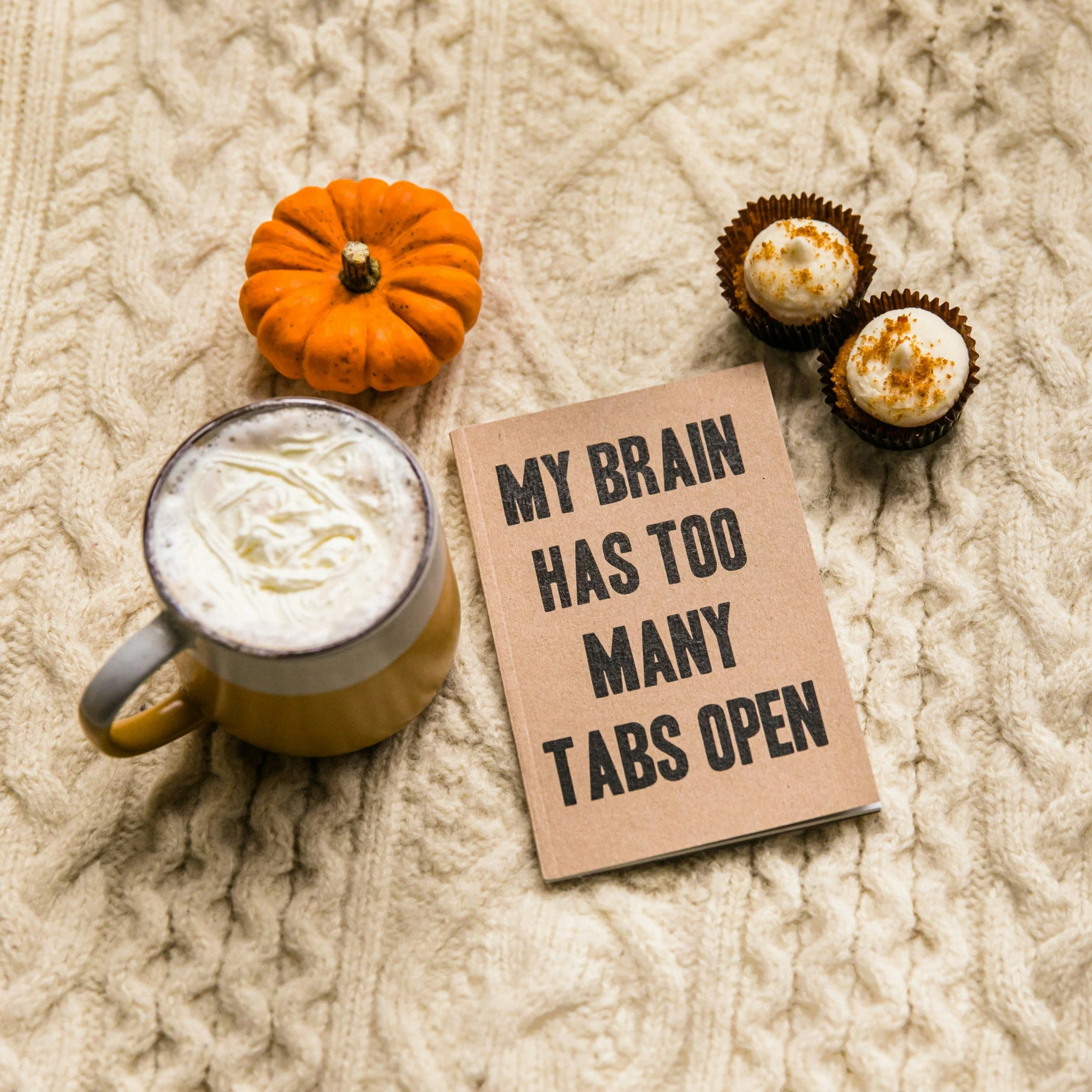
Counseling for individuals with ADHD focuses on addressing the unique challenges that come with the condition, such as difficulties with attention, impulsivity, and executive functioning. These challenges can impact various aspects of life, including work, relationships, and self-esteem.
ADHD impacts children and teens in academics, social skills, and emotional regulation. Attention and impulse issues can hinder schoolwork and friendships. Adults with ADHD also face similar challenges but with careers and work, parenting, and romantic relationships. Emotionally, they may face frustration, low self-esteem, or mood swings. Early support and personalized interventions help manage these challenges.
Therapy techniques to improve functioning often include cognitive-behavioral strategies to develop organizational skills, time management, and coping mechanisms for emotional regulation. Mindfulness practices and behavioral interventions also play a key role in enhancing focus and reducing impulsivity.
Through counseling, clients gain a deeper understanding of their ADHD, learn personalized strategies to manage symptoms, and build confidence to navigate daily demands more effectively. This supportive approach empowers individuals to thrive despite the challenges ADHD may present.
Expression based Therapy
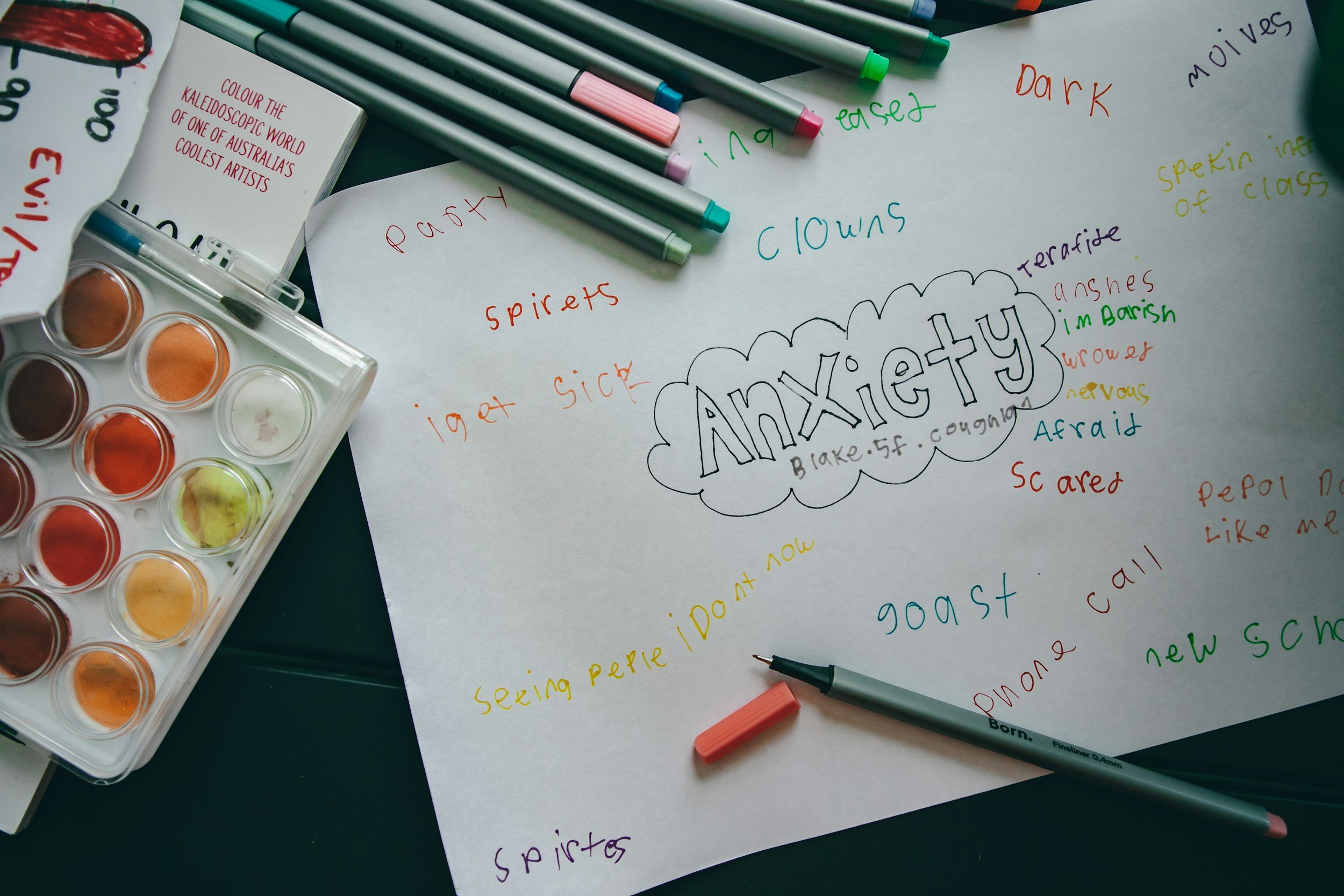
Using expressive arts in therapy is an innovative and integrative approach that can be profoundly beneficial for individuals experiencing anxiety, depression, and various mental health challenges. This method encourages the use of creative modalities such as music, dance, visual arts, and creative writing to facilitate emotional expression and healing.
For many, depression can create a sense of isolation, making it hard to connect with others or even themselves. By using art forms, clients can explore their emotions in a non-threatening way, enabling them to express complex feelings that might be stuck or buried.
For those struggling with anxiety, creative expression can serve as a powerful outlet. Activities such as drawing or painting can provide a calming effect, helping to ground individuals in the present moment and reduce overwhelming feelings. Music, whether through listening or creating, can evoke emotional responses that lead to insights about one's mental state, facilitating self-discovery and relaxation.
Expressive arts offers a unique and enriching pathway to healing, providing individuals with the tools to navigate their emotional landscapes in a creative and supportive environment.
Cognitive based Therapy
Cognitive Behavioral Therapy, Dialectical Behavioral Therapy, and other mindfulness and cognitive techniques are offered and used to support healing by helping clients identify unhelpful thoughts, regulate emotions, and build practical skills for everyday life. With children and teens, games and toys are often effective tools for exploring feelings, practicing new behaviors, and communicating in ways that feel safe and natural for young minds. Adults are welcome to use the same playful approaches—there is no age limit on play, fun, or joy—because play can release tension, foster creativity, and open new pathways to insight and connection throughout the lifespan.
Ready to Talk?
Send us a quick note using the form below and let’s start mapping out your next step together.
Angela N. Ott, MS, LPC
214-817-2574
aott@cognitiveheartscounselingpllc.com

Services
Filters
No results found
No results match your search. Try removing a few filters.